Introduction to Armed Security Officer Training
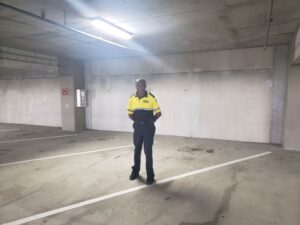
Armed security officers play a. critical role In maintaining safety and protecting lives and property in a variety of settings. To perform their duties effectively, these professionals must undergo rigorous training that equips them with essential skills beyond simply carrying a weapon. This training ensures they can:.
- Respond appropriately to emergencies
- Assess threats accurately
- Interact with the public and law enforcement confidently
From. situational awareness And. conflict resolution To. firearms proficiency And. emergency medical response , armed security officers must master a diverse set of abilities to handle complex and high-pressure situations. Understanding these. seven essential training skills Is crucial for anyone entering the field or looking to improve their capabilities. This introduction explores the foundational competencies that make armed security officers not just enforcers but trusted protectors in their communities.
Core Training Skills for Armed Security Officers
Armed security officers are entrusted with the vital responsibility of protecting people, property, and assets in a variety of settings. To fulfill this role effectively and professionally, they must be equipped with a comprehensive set of core skills developed through rigorous training programs. These skills ensure officers can respond appropriately to threats while upholding safety and legal standards.
Firearms Proficiency and Safety
Mastery of firearms is fundamental for any armed security officer. Training begins with familiarization of different weapon types, including handguns, shotguns, and sometimes rifles, depending on the role. Officers learn proper handling procedures such as safe loading and unloading, trigger discipline, and accurate marksmanship under pressure. Regular practice on shooting ranges helps maintain this proficiency.
Firearm safety protocols include:.
- Treating weapons as if they are always loaded
- Maintaining muzzle discipline
- Following strict storage guidelines when weapons are not in use
This dual emphasis on skill and safety ensures that officers can confidently use their firearms only when absolutely necessary.
Situational Awareness and Conflict Resolution
Situational awareness is the ability to perceive, comprehend, and predict potential threats in the environment before they escalate. Armed security officers develop keen observation skills, including:.
- Reading body language
- Interpreting suspicious behaviors
- Recognizing environmental cues indicating danger
Alongside this, officers are trained extensively in conflict resolution techniques such as:.
- Verbal de-escalation
- Negotiation
- Non-violent intervention strategies
By prioritizing communication and calmness, officers can often defuse situations, reducing risk to themselves and others.
Physical Fitness and Legal Compliance
Physical fitness is a cornerstone of an armed security officer’s capability. Training programs emphasize:.
- Cardiovascular endurance
- Strength
- Agility
- Flexibility
This ensures officers can respond physically to emergencies, pursue suspects, or restrain individuals when necessary.
Additionally, legal compliance training covers:.
| Aspect | Details |
|---|---|
| Use of Force | Local, state, and federal laws governing force |
| Arrest Powers | Legal authority and limits |
| Search and Seizure | Proper procedures and rights |
| Individual Rights | Protecting civil liberties and legal boundaries |
This legal knowledge helps officers operate within the law, protecting their liability and the rights of the public.
Emergency Response and First Aid
Armed security officers often act as first responders during critical incidents such as fires, medical emergencies, or natural disasters. Their training includes:.
- Executing evacuation plans
- Operating fire suppression equipment
- Coordinating with emergency services
Additionally, officers receive first aid certification, equipping them with lifesaving skills such as:.
- CPR
- Wound care
- Managing shock
This medical readiness enables officers to provide immediate assistance, stabilizing victims until professional medical personnel arrive.
The core training skills for armed security officers are multifaceted, encompassing. firearms proficiency ,. situational awareness ,. conflict resolution ,. physical fitness ,. legal knowledge , and. emergency response capabilities . Together, these skills prepare officers to protect and serve effectively, ensuring safety while maintaining professionalism and adherence to ethical and legal standards.
Supporting Skills for Effective Security Performance
Effective security performance is not solely dependent on physical presence or technical know-how; it also requires a set of. supporting skills That significantly enhance the capability of security personnel to carry out their duties efficiently. Two critical supporting skills that stand out are. report writing and documentation , as well as. communication and teamwork . These competencies ensure that security operations run smoothly, incidents are well-documented, and collaboration within teams and with external stakeholders is seamless.
Mastering Report Writing and Documentation
One of the foundational skills for security professionals is the ability to write clear, accurate, and detailed reports. Report writing is more than just filling out forms; it involves capturing precise information about incidents, observations, and daily activities that can later be referenced for investigations, legal proceedings, or organizational audits. Well-crafted reports help maintain accountability and provide a factual record that supports decision-making and follow-up actions.
To excel in report writing, security personnel must develop several key abilities:.
- Attention to detail: Ensuring no critical information is omitted or misrepresented.
- Logical organization: Helping readers understand the sequence of events and context.
- Objective language: Avoiding personal opinions or assumptions to maintain professionalism.
Training in technical writing and regular practice can significantly improve these skills.
Beyond incident reports, documentation also includes maintaining:.
- Logs
- Checklists
- Other records that track routine security activities
Proper documentation helps identify patterns, assess risks, and improve security protocols over time. It also facilitates transparency and communication across different departments or agencies involved in security management.
The Role of Communication and Teamwork
Effective communication is vital in the security field, where timely and accurate exchange of information can make the difference between preventing an incident and managing its aftermath. Security personnel must be adept at both verbal and non-verbal communication:.
- Verbal communication: Clearly conveying information during patrols, briefings, or emergencies.
- Non-verbal cues: Using body language and signaling to enhance situational awareness and coordinate discreetly when necessary.
Additionally, communication with other stakeholders—including law enforcement, emergency responders, management, and the public—requires professionalism and clarity. Security personnel often act as a bridge between these groups, so their ability to relay messages accurately and confidently is crucial.
Teamwork Complements communication by fostering cooperation and mutual support among security officers. Benefits include:.
- Efficient division of responsibilities
- Sharing intelligence
- Providing backup during challenging situations
- Building trust and morale within the unit
In modern security environments, teamwork extends beyond the immediate security team to include collaboration with:.
- Other departments
- External agencies
- Community partners
Establishing strong working relationships and clear communication channels across these groups enhances the collective ability to identify threats early and respond effectively.
Conclusion
Supporting skills such as. report writing ,. documentation ,. communication , and. teamwork Are indispensable for effective security performance. They empower security professionals to:.
- Document incidents accurately
- Communicate clearly
- Work cohesively
This contributes to a safer and more secure environment. Investing time and resources in developing these skills not only bolsters individual competence but also strengthens the overall security framework within any organization.
Conclusion
Armed security officers play a critical role in maintaining safety and protecting lives and property. To perform their duties effectively, they must possess a comprehensive set of. essential training skills . These include:.
- Proficiency in firearm handling
- Situational awareness
- Conflict resolution
- Emergency response
- Communication
- Physical fitness
- Legal knowledge
By mastering these skills, armed security officers can respond confidently and appropriately to a wide range of situations, ensuring both their safety and the security of those they protect.
Ongoing training and skill development Are vital for keeping these professionals prepared and capable in an ever-changing security landscape.